Understanding Natural Daily Habits for Men
An educational resource exploring information about natural approaches to everyday lifestyle practices. Learn about the context and cultural significance of daily routines.
Explore Topics Learn More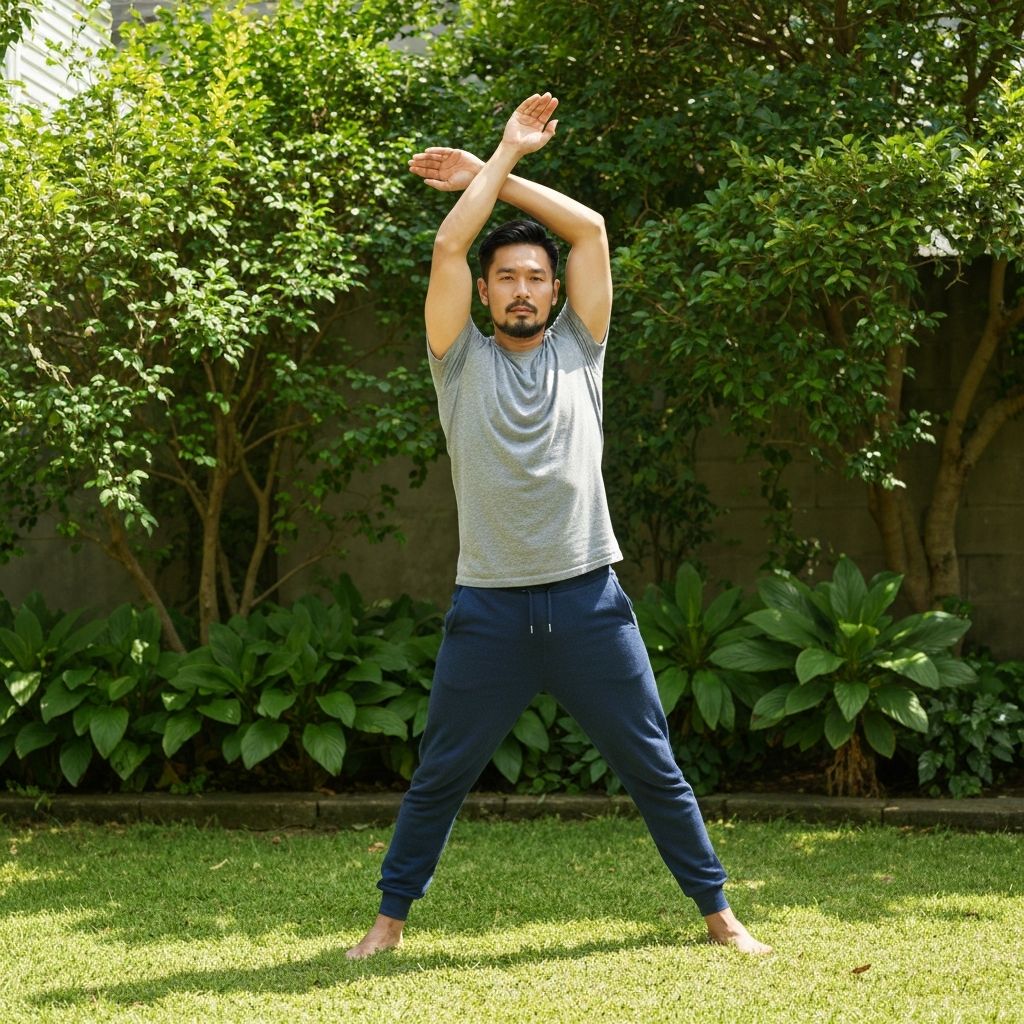
An educational resource exploring information about natural approaches to everyday lifestyle practices. Learn about the context and cultural significance of daily routines.
Explore Topics Learn More

Daily lifestyle habits encompass the regular practices and routines that individuals incorporate into their everyday lives. These habits span various aspects of living, including nutrition, physical activity, mental practices, and social interactions.
Throughout history, different cultures have developed unique approaches to daily routines, each reflecting their values, environment, and understanding of balanced living. This educational resource aims to present information about these various approaches in a neutral and informative manner.
The content presented here is intended solely for educational purposes, providing context and background information about natural lifestyle practices observed across different societies and time periods.
This section provides general educational information about daily lifestyle habits. The content does not constitute personal advice or recommendations. Individual approaches to daily routines vary widely based on personal circumstances, cultural background, and individual preferences. This material is not intended to replace personal decision-making or professional guidance.

Nutrition plays a central role in daily lifestyle practices across cultures. Different societies have developed varied approaches to meal timing, food selection, and eating rituals that reflect their unique cultural contexts.
Traditional eating patterns often emphasize whole foods, seasonal ingredients, and communal dining experiences. These practices have been observed and documented across many cultures throughout history.
The way people approach food and meals varies significantly across different regions and traditions. Some cultures emphasize multiple small meals throughout the day, while others focus on fewer, more substantial meals.
Understanding these diverse approaches provides insight into how different societies have organized their daily routines around nourishment and sustenance.
Information about nutrition practices is presented for educational purposes only. Dietary needs vary among individuals based on numerous factors. This content does not provide dietary recommendations or advice.

Physical activity has been a natural part of human daily routines throughout history. Different cultures have developed various forms of movement practices, from walking and manual labor to structured exercises and martial arts.
Traditional societies often incorporated movement naturally into daily tasks, while modern contexts have led to the development of dedicated exercise practices and routines.
The role of physical activity in daily life has evolved significantly over time. Agricultural societies relied heavily on physical labor, while industrialization changed the nature of daily movement patterns.
Understanding these historical shifts provides context for current discussions about physical activity and its place in contemporary daily routines.
This section presents educational information about physical practices throughout history and across cultures. The content does not constitute exercise recommendations. Physical activity needs and capabilities vary among individuals.
Various cultures have developed practices aimed at mental clarity and emotional balance. These traditions range from meditation and contemplation to journaling and reflective practices.
Historical records show that many societies incorporated periods of quiet reflection into their daily routines, viewing these practices as essential components of balanced living.
Different cultures have approached mental practices in varied ways. Eastern traditions often emphasize meditation and breath awareness, while Western approaches have historically included prayer, contemplation, and philosophical reflection.
These diverse approaches reflect different cultural understandings of the mind and its relationship to daily life and overall wellbeing.
Information about mental practices is presented for educational purposes. The content describes various cultural and historical approaches without recommending specific practices. Individual needs and preferences vary significantly.
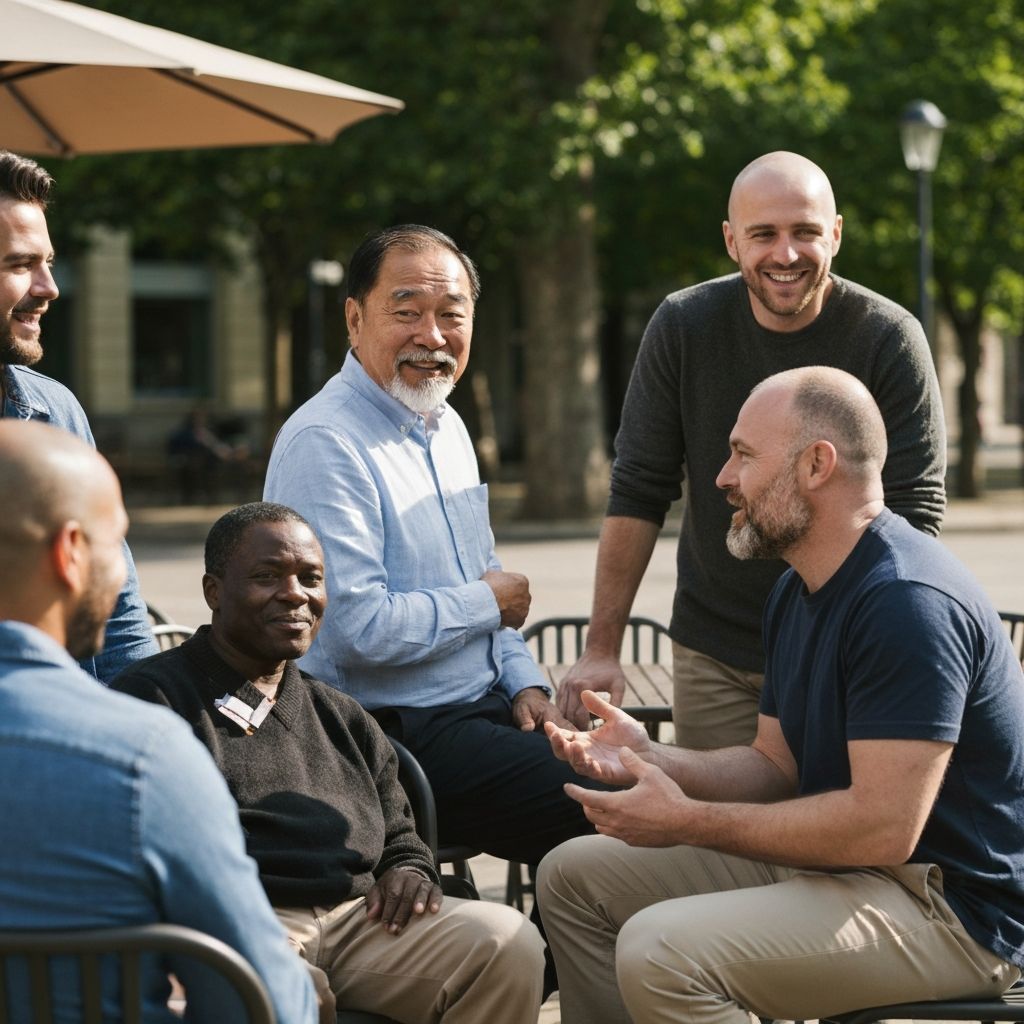
Human beings have always been social creatures, and daily routines across cultures typically include various forms of social interaction. Community gatherings, family meals, and collaborative work have been central to human societies throughout history.
Different cultures have developed unique social structures and rituals that shape how individuals interact with others on a daily basis.
The natural environment has historically played a significant role in shaping daily routines. Climate, geography, and available resources have influenced how different societies structure their days.
Understanding these environmental influences provides insight into the diversity of daily practices observed across different regions and time periods.
This section presents educational information about social and environmental aspects of daily life. The content reflects general observations about human societies and does not constitute advice on social behavior or environmental choices.
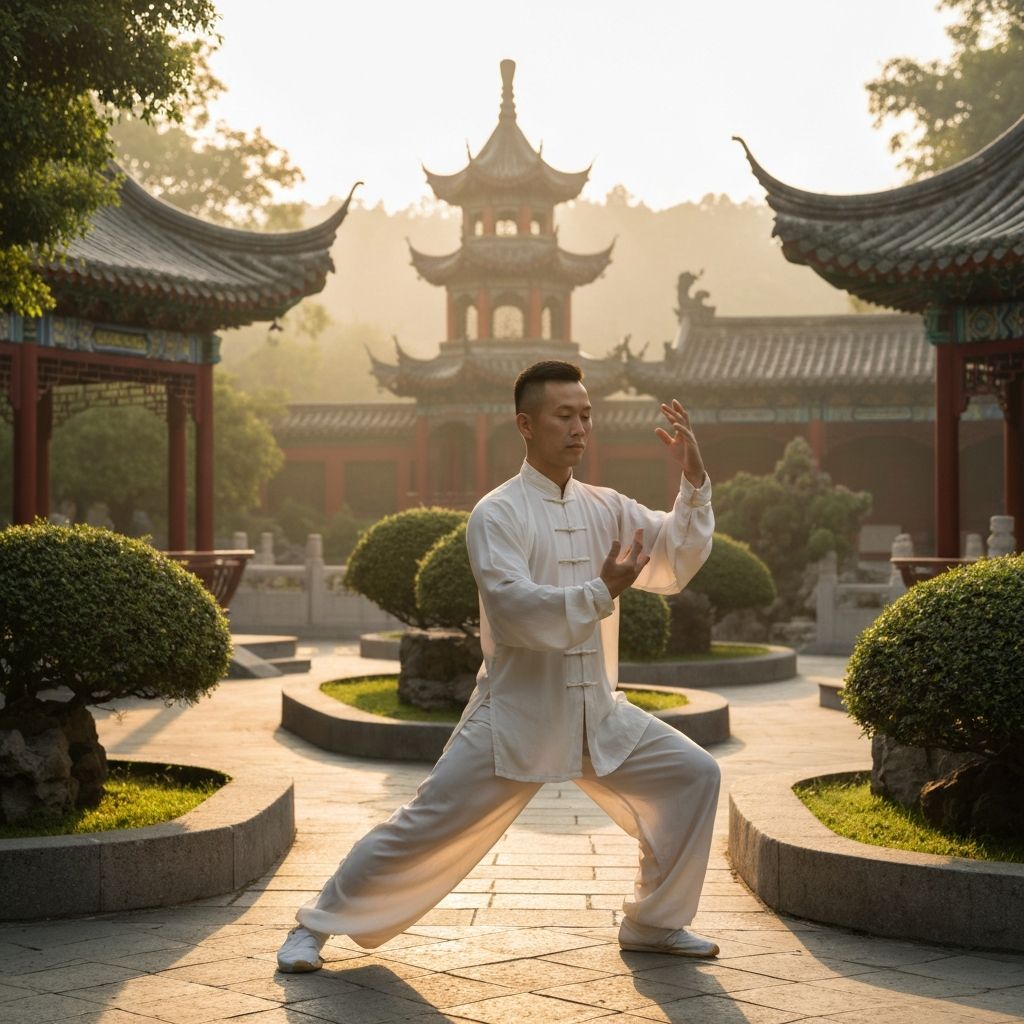
Many Asian cultures have developed structured daily routines that often begin early in the morning. These traditions frequently incorporate practices such as tea ceremonies, meditation, and gentle movement exercises.
The emphasis on balance and harmony is a common theme observed across various Asian cultural approaches to daily living.

Mediterranean cultures are often noted for their approach to daily meals and social gatherings. The tradition of extended family meals and afternoon rest periods reflects a particular understanding of daily rhythm and balance.
These practices have been observed and documented by researchers studying lifestyle patterns in the region.
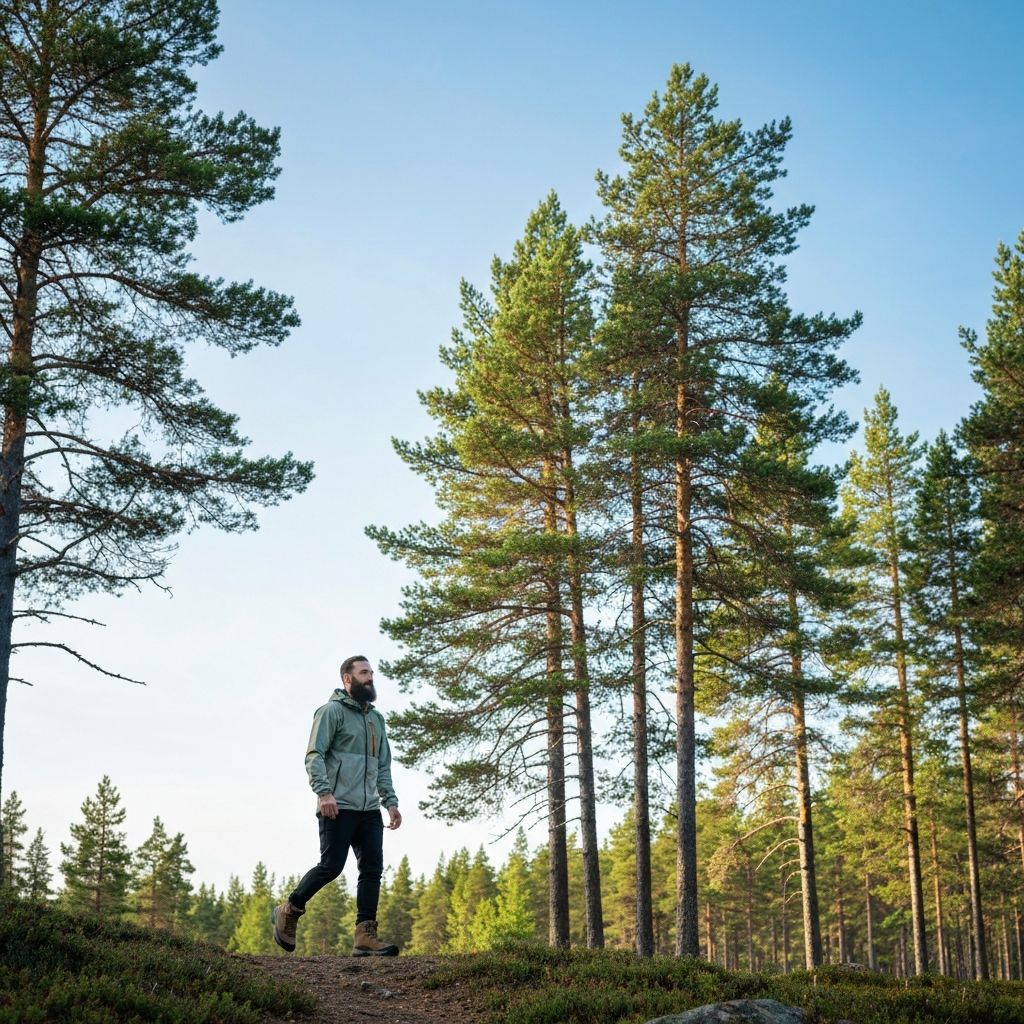
Nordic cultures have developed daily practices adapted to their unique environmental conditions. The concept of spending time outdoors regardless of weather conditions is a notable aspect of daily routines in these regions.
These approaches reflect adaptation to specific environmental circumstances and cultural values around nature and simplicity.
Cultural information is presented in generalized terms and may not reflect the practices of all individuals within these regions. Cultural practices vary significantly within and across societies. This content is for educational purposes only.
Different cultures approach morning routines in varied ways, from early rising practices to structured morning rituals involving hygiene, nourishment, and mental preparation for the day.
The importance of rest has been recognized across cultures throughout history. Different societies have developed various approaches to sleep patterns and recovery periods during the day.
Social gatherings and community activities have been central to daily life in many cultures. These practices serve various social functions and contribute to the structure of daily routines.
Time spent outdoors has been a consistent element of daily routines across many cultures. The specific activities and duration vary based on environmental conditions and cultural practices.
Many cultures incorporate learning activities into daily routines, whether through formal education, reading, or practical skill development. These practices reflect values around continuous growth.
Evening routines across cultures often include specific practices related to winding down, family time, and preparation for rest. These practices vary significantly across different societies.
For inquiries about this educational resource, you may reach out through the following channels.
Jl. Kenanga No. 11
Jakarta 12940, Indonesia
+62 812 49 806 513
Explore more educational content about natural lifestyle practices and daily routines.
Learn About This Resource